Brainy: The AI Chatbot That Thinks With You
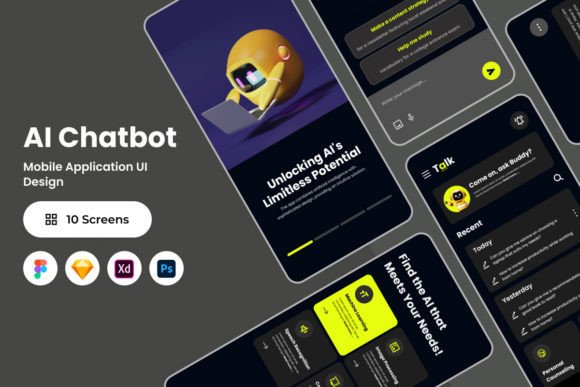
Forget the sterile, robotic assistants of the past. Brainy - AI Chatbot Mobile App enters the scene as a conversational partner with genuine intellectual heft. This isn’t just another app on your phone; it’s a pocket-sized intellectual sparring partner designed to transform mundane queries into engaging dialogues. The core of its appeal lies in a sophisticated blend of personality and design, creating an experience that feels both intelligent and surprisingly human. Imagine debating the nuances of a historical event or getting tailored book recommendations that actually challenge your perspective. That’s the Brainy difference.
A Visual Language for Intelligence
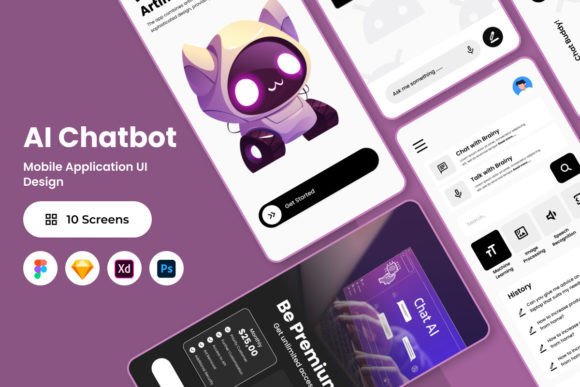
The design philosophy behind Brainy is a masterclass in how visual elements can communicate a brand's core personality. The interface is clean, uncluttered, and intentionally minimalist, using ample white space to frame conversations without distraction. This isn't a chaotic dashboard of buttons; it's a focused stage for dialogue. The color palette leans into sophisticated, muted tones—think deep blues, soft grays, and crisp whites—evoking a sense of calm authority and clarity. Typography here isn't an afterthought; it's a foundational component. The app likely employs a premium font pairing, perhaps a highly readable sans serif font for the main conversation body, paired with a distinctive display font for headings and its logo. This modern typography approach ensures every word is legible, whether you’re scrolling through a lengthy explanation on your phone or glancing at a notification. The result is a brand identity that feels trustworthy, contemporary, and inherently smart.
Beyond the App: Design Versatility
While Brainy shines as a mobile application, its design DNA offers a rich toolkit for creators. The included design assets—like the .fig, .xd, .sketch, and .psd files—are more than just technical deliverables; they’re a blueprint for building intelligent, engaging interfaces. The high-quality screen layout design and well-organized layers provide a structural foundation that any designer can adapt. For a web design project aimed at a tech-savvy audience, adopting Brainy’s visual rhythm and color scheme can instantly convey innovation. Its global text and color styles ensure consistency, a non-negotiable for professional brand identity work.
Think about the applications:
- Editorial Design & Publishing: The clean typographic hierarchy is perfect for blogs, digital magazines, or even book layouts where readability and a modern aesthetic are paramount. It guides the reader’s eye effortlessly.
- Marketing & Social Media: Use the design system to create cohesive social media graphics or landing pages. The intelligent, approachable vibe works wonders for brands in education, tech, or creative services.
- Packaging & Product Design: For a product that positions itself as innovative or thoughtful, Brainy’s minimalist and structured visual language can inform label design or unboxing experiences, communicating sophistication at a glance.
- Logo & Iconography: Analyzing the app’s icon and logotype can inspire logo design that balances character with clarity. The principles of its creative font usage can inform your own typographic choices.
Practical Guidance for Designers and Creators
Integrating a design system like Brainy’s into your work requires a thoughtful approach. First, evaluate the project fit. Does your client or project demand a tone that is knowledgeable, helpful, and forward-thinking? If yes, this style is a strong candidate. Next, test font pairings. While the assets include recommended fonts, experiment within your own projects. A robust sans serif font from the system might pair beautifully with a serif font for long-form text, or a subtle script font for accent text in specific contexts like a special feature callout.
Always review the included styles meticulously. The organized layers and global styles are meant to be customized, not just copied. Adjust the color palette to fit your brand’s specific needs while maintaining the same balance of contrast and harmony. Readability considerations are key; test the font weights and sizes on various devices, just as you would with the app itself. Finally, for any commercial application, ensure you understand the licensing. The commercial font licenses included are typically for the app mockup files themselves; if you plan to use the exact typefaces in a final client deliverable or product, you must secure the proper commercial font licenses separately.
In essence, Brainy - AI Chatbot Mobile App is more than a tool—it’s a case study in effective, intelligent design. By dissecting its visual components, from its display font choices to its structured layouts, you gain a versatile asset for elevating your own projects across digital, print, personal, and commercial realms. It’s a testament to how thoughtful design can make complex interactions feel simple, engaging, and profoundly useful.